On election night, television studios fill their screens with percentages for winning parties, losing candidates and turnout. One figure usually gets a single line at the bottom of the graphic: blank votes. Yet in several European countries, that number has grown large enough to tell a story of its own.
A blank ballot is not the same as staying at home. The voter has made the effort to go to the polling station, queue, enter the booth and deliberately choose no one. Understanding why people do this offers a revealing look at the health of a democracy.
What counts as a blank vote
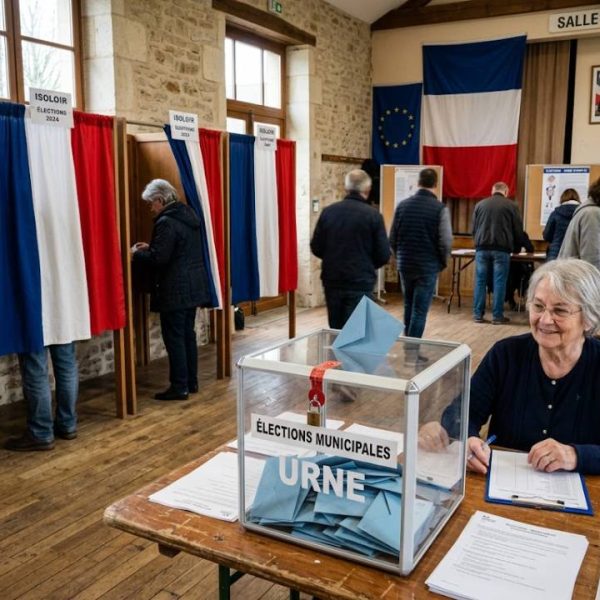
Definitions vary between countries. In France, a blank vote is an empty envelope or an unmarked ballot paper. Since 2014, blank votes are counted separately from spoiled ballots and published in official results, although they are still not included in the share used to determine the winner.
Spain, Colombia and some Latin American countries go further, counting blank votes as valid in certain contexts, which can affect thresholds for parliamentary seats. Elsewhere, an empty ballot is simply treated as invalid and disappears from the headline figures.
The arguments for recognising blank votes
Supporters say full recognition would give dissatisfied citizens a constructive alternative to abstention or extremist protest votes. It would measure discontent precisely and push parties to offer better candidates. Some even propose that if blank votes win a majority, the election should be repeated with new names on the ballot.
Polls in France regularly show broad public support for this idea. It appears in debates after almost every presidential election, especially when large numbers of voters feel forced to choose between two candidates they dislike.
The arguments against
Critics warn of instability. If blank votes could cancel elections, a country might end up without a government for long periods. Others argue that the purpose of an election is to choose, and that citizens unhappy with the options can join a party, stand as candidates or support new movements.
There is also a practical concern about interpretation. A blank ballot can mean protest, confusion, indifference or principled refusal. Treating all of them the same way risks reading too much into a single number.
Turnout, abstention and trust
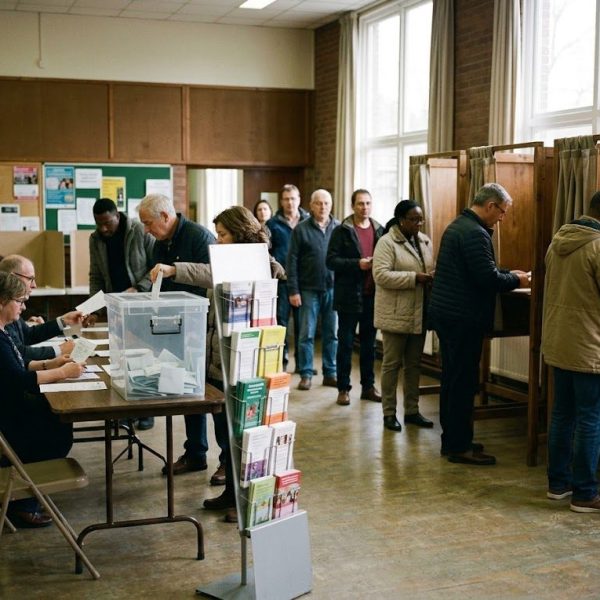
Blank voting is part of a wider picture. Turnout has fallen in many democracies, particularly among young people and in local or European elections. Research collected by organisations such as International IDEA shows strong links between participation, trust in institutions and the perceived fairness of the electoral system.
Where people feel their vote changes nothing, abstention rises. Where they feel excluded from the debate, they may still vote but choose a blank ballot to signal frustration. Both behaviours ask the same question: does the system still speak to everyone?
When language becomes a barrier to voting
Exclusion is not only political. In Europe, millions of citizens live in a member state other than their own and have the right to vote in local and European elections there. Many of them struggle with registration forms, official notices and ballot instructions written only in the national language.
Electoral authorities in several countries now publish key information in multiple languages. Cities with large international communities work with professional language services to translate voter guides, candidate lists and accessibility notices so that every eligible resident understands how and where to vote.
That work starts long before election day, when registration forms, notices and guidance first reach residents in another language. Accuracy matters here, because a mistranslated deadline or eligibility rule can quietly stop someone from voting at all. Providers of document translation services help public bodies turn those official materials into clear, reliable versions that voters can actually use. Done well, it removes one more reason for a citizen to stay away or leave a ballot empty.
Lessons from other countries
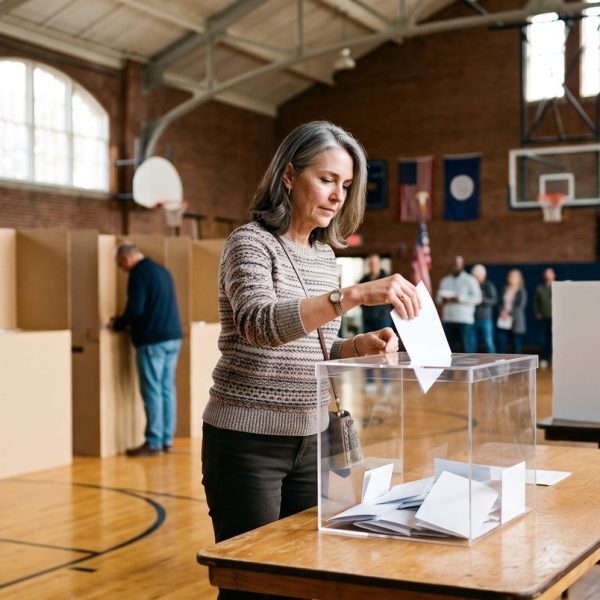
The United States has long required multilingual ballots in areas with significant language minorities. Canada provides election material in many languages, including Indigenous ones. These policies aim to ensure that limited proficiency in the majority language does not translate into lower participation.
Similar debates are taking place in public services more broadly. The PoliLingua article on language access in public services looks at recent proposals to guarantee translation and interpreting for residents who do not speak the dominant language.
Citizens abroad and the postal vote
Expatriate voters face their own obstacles. French citizens abroad vote in consulates or online for certain elections. Italians and Spaniards use postal ballots. Instructions often arrive late, in formal administrative language, and many voters give up before completing the process.
Clear, plain language information in the voter’s own language increases completion rates. It also reduces the number of spoiled ballots, which are sometimes mistaken for deliberate protest when they are simply the result of confusion.
What the blank vote really asks
Whether or not countries decide to give blank votes legal weight, their growth is a warning sign. It suggests that a share of engaged citizens want to participate but do not find their views represented. Parties ignore that message at their own risk.
Improving representation, transparency and accessibility, including linguistic accessibility, is part of the answer. A democracy where every eligible voter can read the ballot is better placed to win back those who currently leave it empty.
An empty ballot is still a voice. Listening to it carefully, and removing the barriers that keep others from voting at all, is one of the quiet tasks of modern democratic politics.