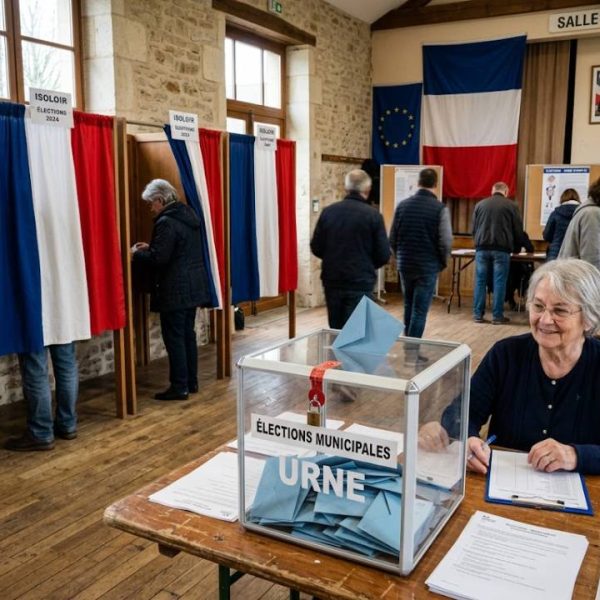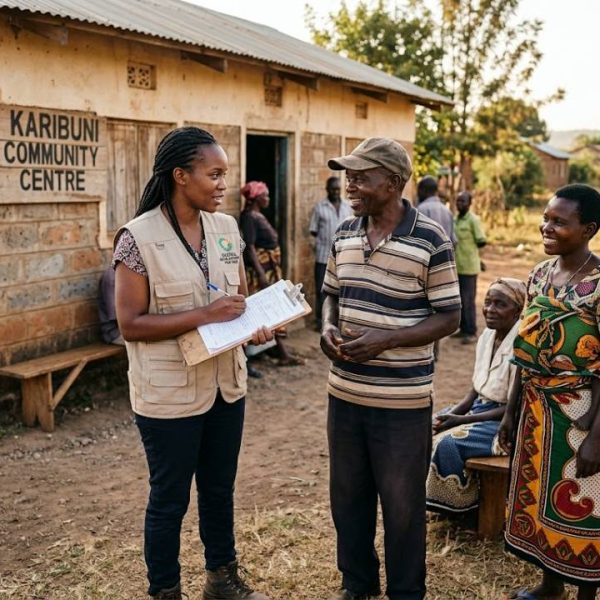
Public consultations only work when people understand what they are being asked. A town may invite residents to comment on a transport plan or a city may ask for views on a new budget. If the questions are unclear the answers will be unclear too. When several languages are spoken in the same area the risk grows. A badly worded question in one language can produce answers that cannot be compared with those from another group and the whole exercise loses value. Even a well funded process can fail if the language of the questions is not tested in advance.
Organisations that publish field reports face a similar challenge. A report written for a donor in one language is often needed by partners and local communities in another. Small changes in wording can shift the meaning of a finding. A word that suggests certainty in one language may only suggest possibility in another. Readers then draw conclusions that the authors never intended. Careful editors compare the translated findings with the original line by line before release.
Civic groups also work with volunteers who may not share a common language. Meetings run in two or three languages at once and notes are shared afterward in writing. If those notes are inaccurate a decision made in the room may be remembered differently by different people. Clear language practice is therefore part of fair participation and not a luxury for large institutions. Volunteers and local staff often carry the heaviest language burden without any formal support.
Political communication adds another layer. Slogans and campaign messages rely on rhythm and cultural references that do not travel well. A line that sounds confident at home can sound aggressive or empty abroad. Communication teams that plan for this from the start adapt messages instead of translating them word for word and they avoid unintended offence. A short review by a local reader can catch problems that a dictionary never will.
Trust is the common thread. People take part in public life when they feel that the process speaks to them. Accurate language shows respect and signals that every voice counts. When a language group receives poor material it often concludes that its opinion is not wanted and it stays silent in the next round. Winning back that trust takes far longer than getting the material right the first time.
Live Events And Public Meetings
Large public hearings and conferences often need simultaneous interpreting services so that every participant can follow the debate in real time. Interpreters work in pairs and swap every twenty or thirty minutes because the mental load is heavy. Good preparation matters a great deal. Sharing the agenda and speeches and a list of technical terms before the event allows the interpreters to deliver an accurate and calm rendering of what is said. Short breaks between speakers also help the interpreters keep pace with complex arguments.
Equipment and room layout also deserve attention. Booths need a clear view of the speakers and listeners need reliable headsets. A short sound check before the meeting avoids delays and keeps the audience engaged. Organisers should also tell speakers to pace themselves and to avoid reading very fast from prepared text. A friendly reminder before the session usually works better than interrupting a speaker later.
Languages With Growing Demand
Many community organisations work with newcomers who speak Arabic and need arabic interpreting services at clinics and schools and local offices. Arabic has many regional varieties and a speaker from one country may find another variety hard to follow. Asking the person which variety they use helps the interpreter prepare. It also shows courtesy and reduces the chance of misunderstanding during sensitive conversations. Interpreters should also be briefed on the purpose of the meeting so they can prepare relevant vocabulary.
A complete translation and interpreting services provider can handle both written and spoken needs with one team and one glossary. This avoids the problem of the same term being rendered in two different ways in a report and in a meeting. It also keeps the budget easier to plan because one agreement covers the whole project. Remote interpreting services are also useful when travel is costly or when a short notice session is needed. A certified translation is required whenever a document will be filed with an official body. Checking the rules of the receiving office before ordering saves time and avoids repeated requests.
Guides And Official Sources
People who want to understand how audiences react to content in their own tongue will find this guide on why people prefer content in their own language very useful. It explains in plain terms how people respond when material is written for them. For examples of how large institutions handle many languages in public debate the European Parliament offers a clear picture of its multilingual work.
The Council of Europe also publishes material on language policy and on the rights of minority language speakers. These sources show that language access is widely seen as a basic condition of participation. Small organisations can borrow many of the same principles even with a modest budget. Even a simple glossary and a native reviewer move a project a long way.
A Simple Checklist For Organisers
Begin by listing the languages spoken by the people you want to reach. Ask local groups for help because they know which varieties and writing styles are most familiar. Decide which documents must be translated in full and which can be summarised.
Next test every important question or message with a native reader before publication. Ask them to explain it back in their own words. If their explanation differs from your intention rewrite the text until the meaning is clear for everyone.
Finally keep a record of what worked. Save the glossary and the approved translations so that the next consultation starts from a stronger base. Over time this habit lowers cost and raises quality and it shows communities that their participation is valued and taken seriously. Communities notice when the same care is shown round after round and they respond with more participation.